New exposures, new questions
Emerging substance use, health, and regulation
We investigate how emerging consumption behaviors transform the body and health
- About us
We are a laboratory that investigates how vaping, performance supplements, and other emerging exposures affect health. Lo hacemos cruzando biología, comportamiento y contexto social, and we work with communities to ensure that evidence reaches decision-makers.
BREATH-Lab: Building Responsible rEsearch and Advancing Transdisciplinary Health
Our Mission
We produce evidence on emerging exposures by combining behavioral data, exposure modeling, and community dialogue.
Our Vision
To make Chile a country that regulates new exposures with homegrown science, equity, and community participation.
Research Areas
de investigación
We study what is consumed, how it affects the body, who bears the consequences, and what can be done about it.
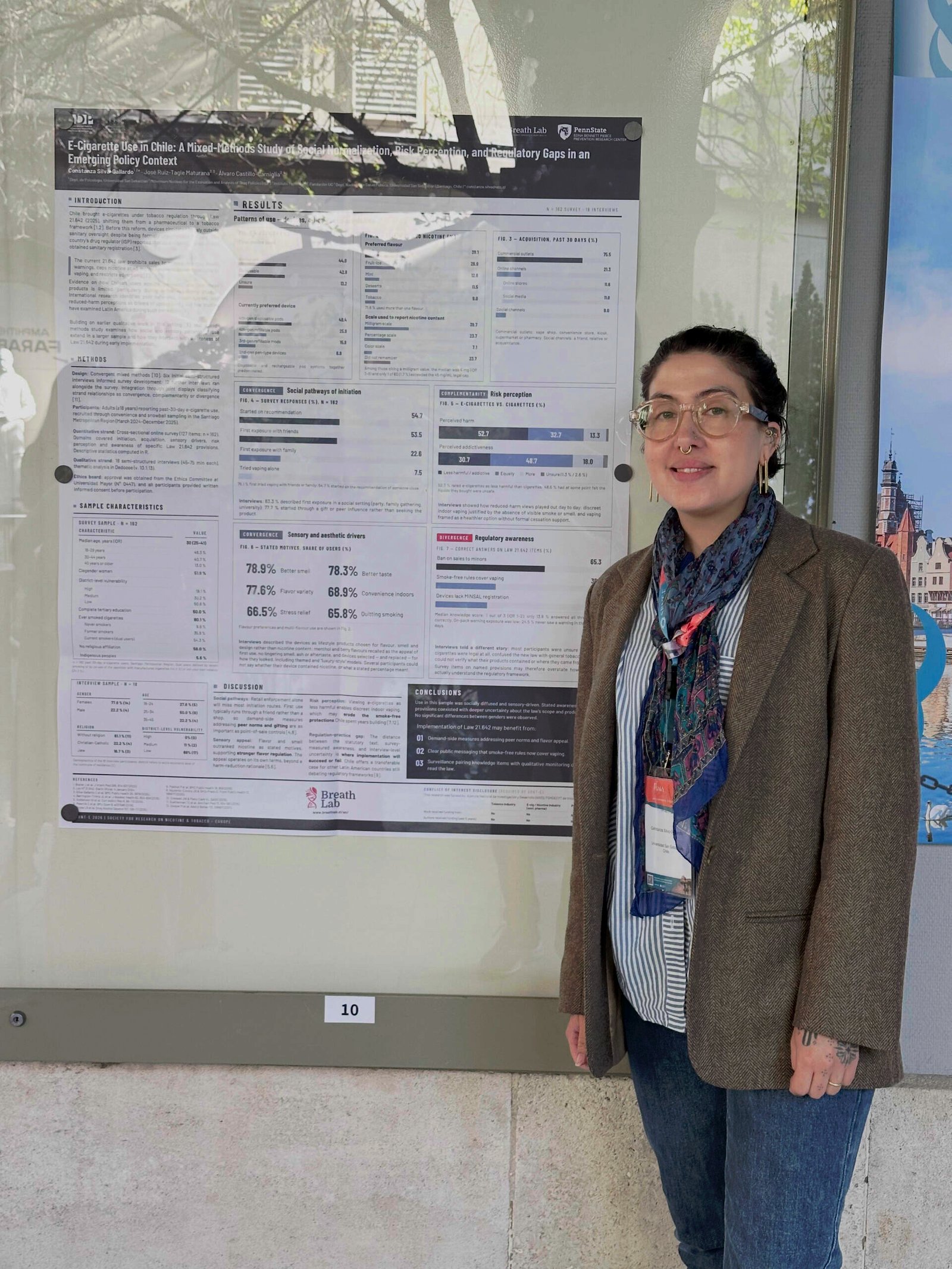
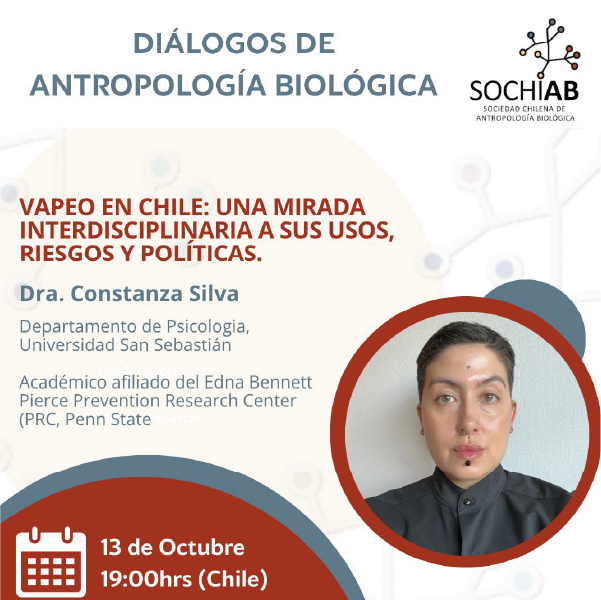
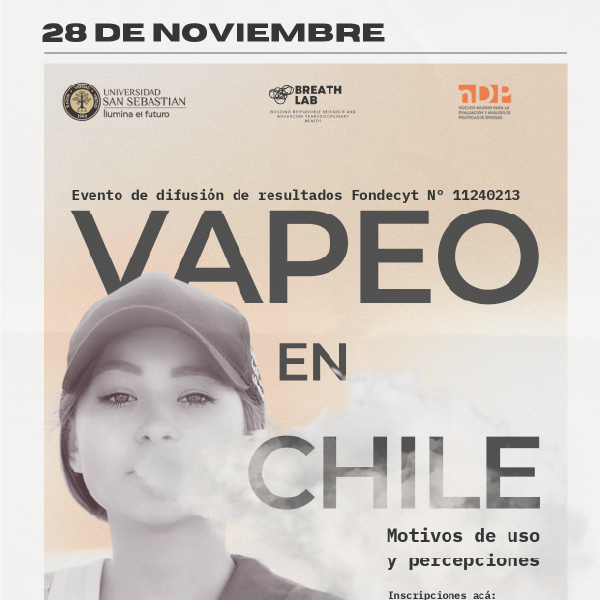
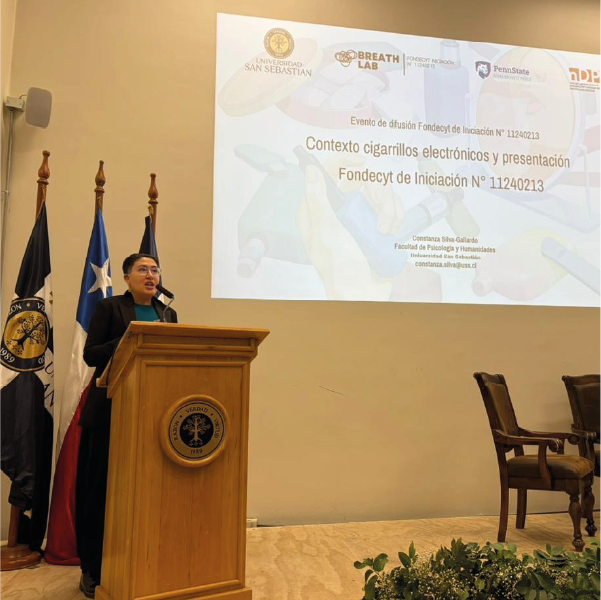
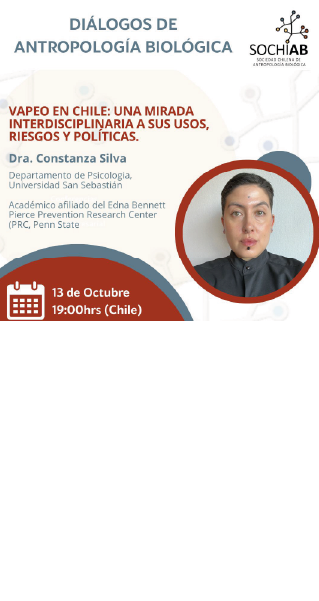
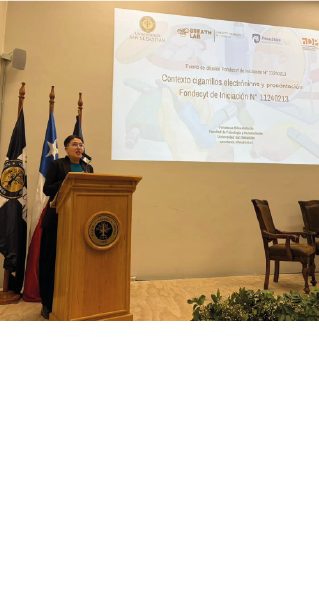
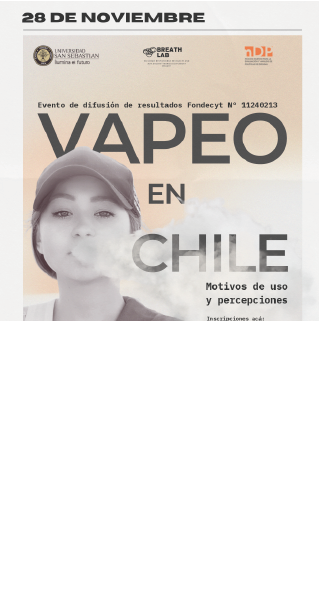
Vaping in Chile: Patterns, Perceptions, and Regulation
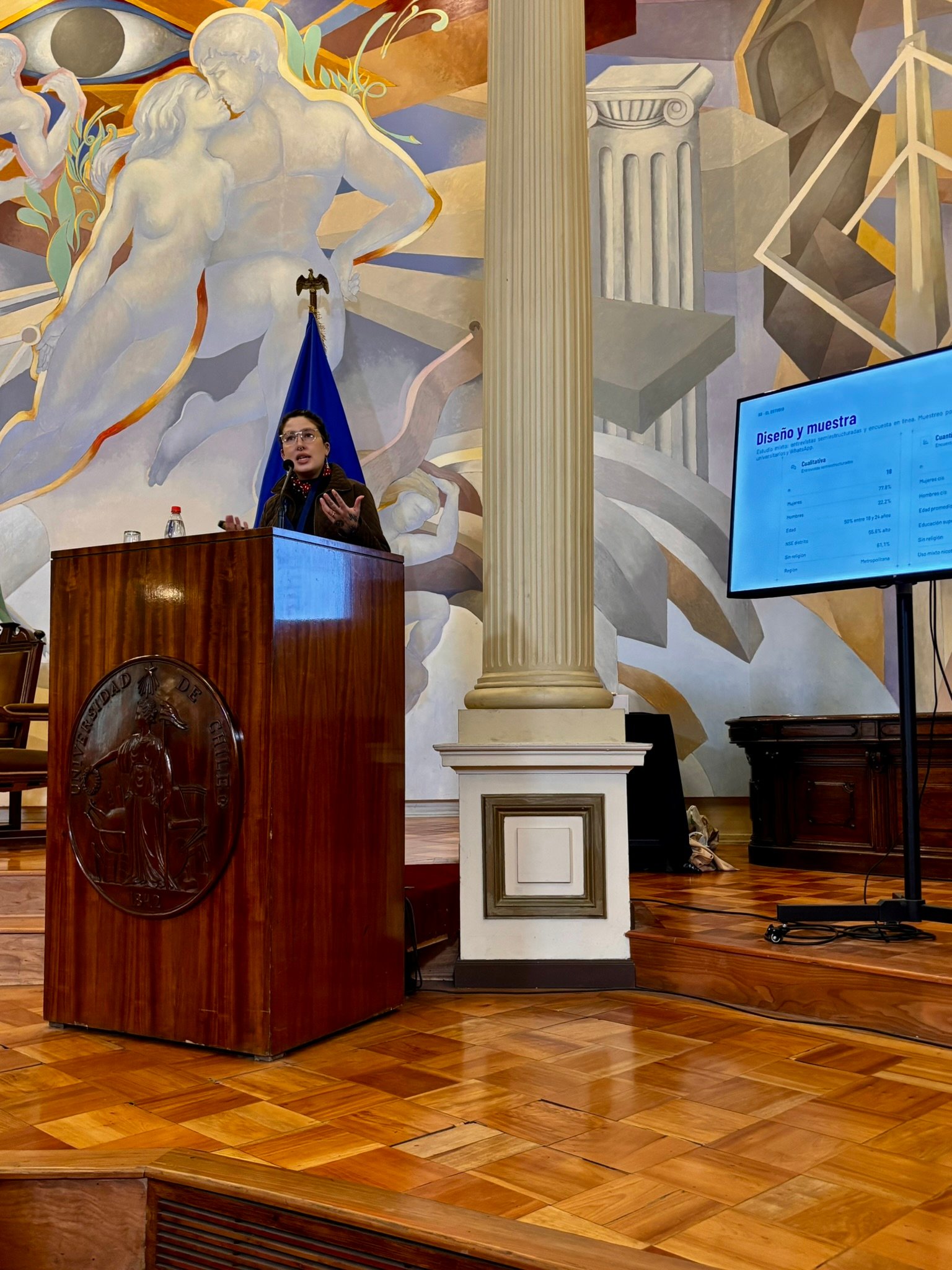
We conducted the first interdisciplinary study on vaping in Chile, examining usage patterns, motivations, and regulatory gaps.
Emerging Products, Productivity, and Health Inequalities
We examine the impact of performance-enhancing products on stress, nutrition, and health inequalities in educational settings.
Responsible Genomics, Bioethics, and Community Engagement
We foster critical reflection on genetics, identity, and data sovereignty, promoting intercultural research and meaningful dialogue.
Indigenous Futures, Solidarity, and Decolonial Bioscience
We explore genetics through Indigenous futurisms, advancing an ethical, place-based approach to bioscience grounded in territory and collective memory.
BREATH LAB IN THE MEDIA
Science with Social Impact in the Media
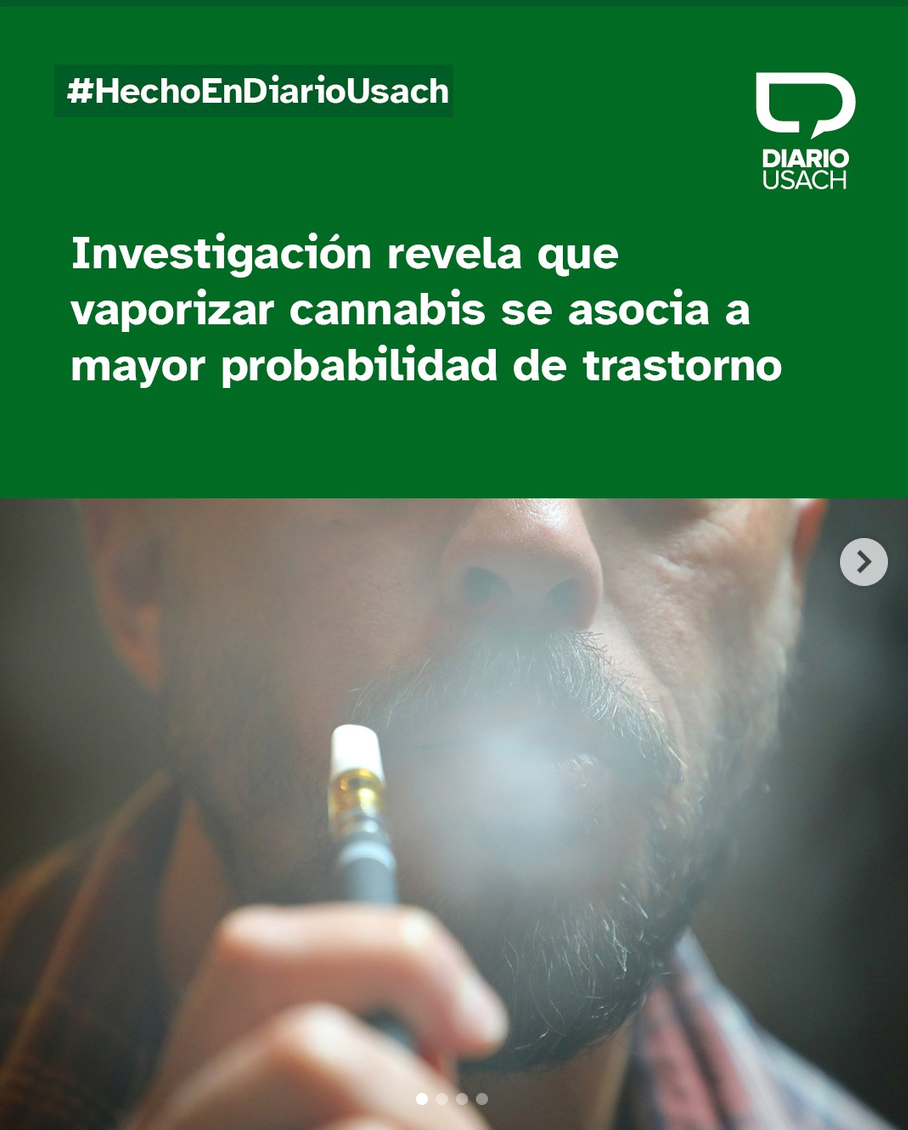
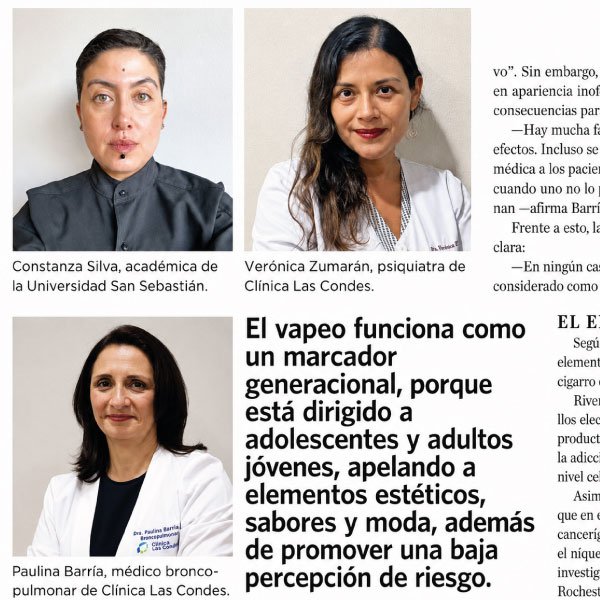
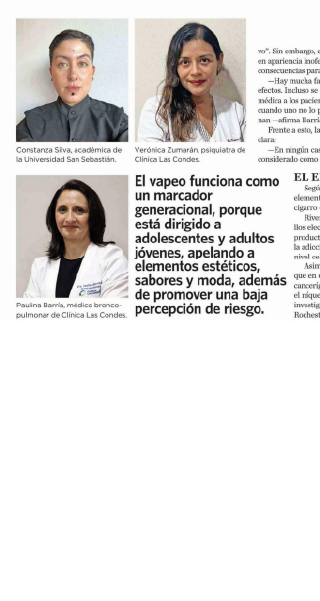
When Chile debates about vaping, nicotine regulations or new forms of consumption, our work emerges We bring evidence to the media, communities and regulatory stakeholders
+15
Media Coverage
20
Interviews and Feature Stories
+15
Health Communication
Featured Projects
Stay
Connected
BREATH-Lab works in partnership with communities, institutions, and public stakeholders. If you are interested in collaborating, have questions, or would like to learn more about our research, we would be delighted to hear from you.